EQIP Cost-Share for Land Clearing: What South Texas Ranchers Need to Know
By Joe Neal
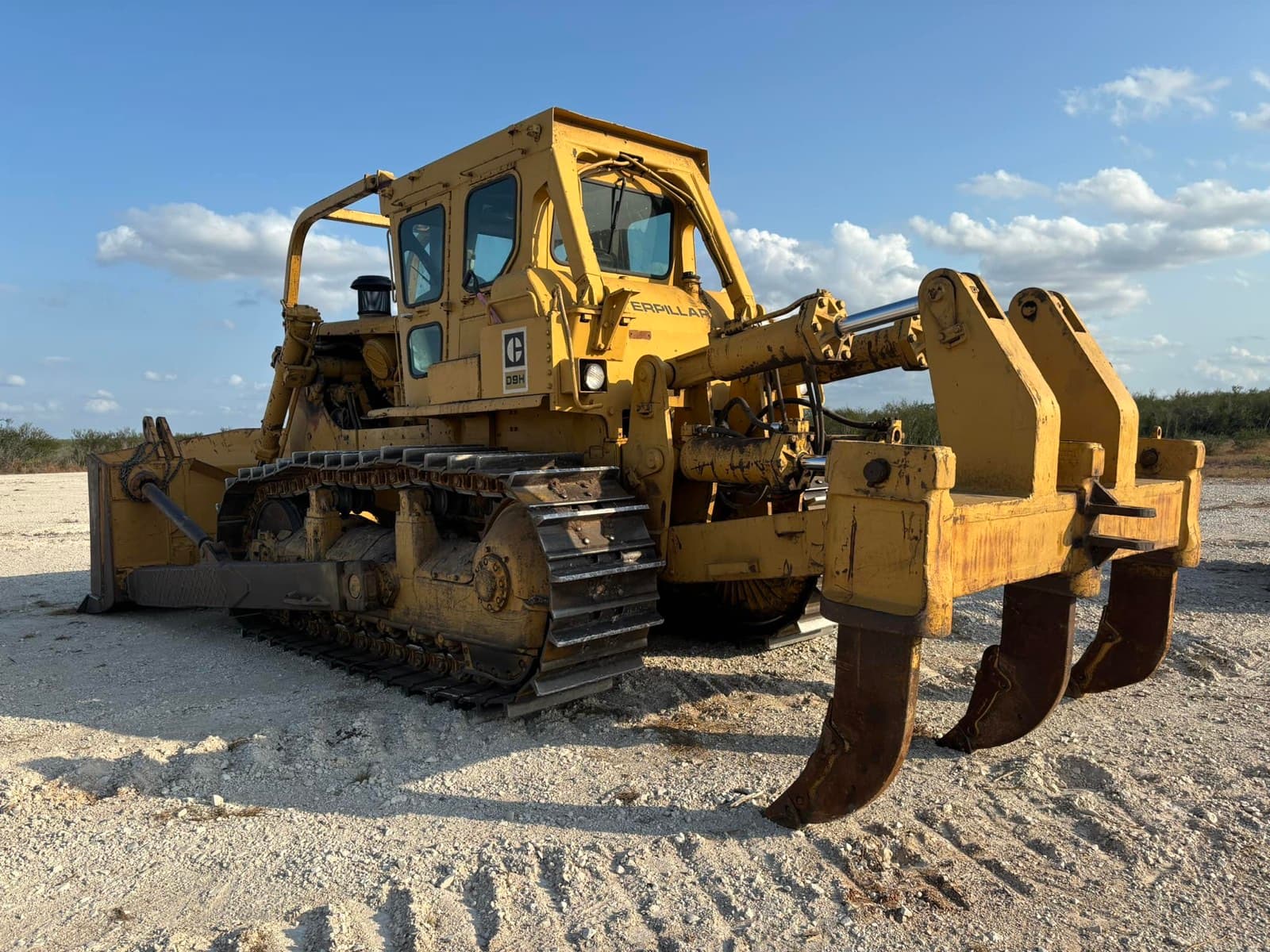
You might be sitting on a check from the USDA and not even know it.
If you own land in South Texas and you've got mesquite, huisache, prickly pear, or whitebrush taking over your pasture, there's a federal program that will pay up to 75% of the cost to clear it. It's called EQIP, the Environmental Quality Incentives Program. It's been around for years. But most ranchers I talk to either haven't heard of it, or they started the process and gave up.
I want to break down what EQIP is, how it works, and why most folks never get the money they're entitled to. Because the problem isn't qualifying. The problem is paperwork.
What Is EQIP?
EQIP stands for Environmental Quality Incentives Program. It's run by the USDA through your local NRCS office (Natural Resources Conservation Service). The government wants to help landowners do conservation work on their property, and they'll put up most of the money to make it happen.
For South Texas, the big one is brush management. That includes:
- Mechanical brush removal (root plowing, roller chopping, dozer work)
- Prescribed burning
- Range seeding after clearing
- Cross-fencing for grazing management
- Pond and stock tank construction
If the work improves the land for conservation, whether that's better water infiltration, native grass recovery, wildlife habitat, or soil health, EQIP can help pay for it.
How the 75% Cost-Share Works
Let me give you a real example.
Say you've got 200 acres of thick mesquite that needs root plowing and roller chopping. The total cost for the job might run $60,000. With EQIP at 75% cost-share, the USDA pays $45,000 and you pay $15,000.
Sixty thousand dollars worth of work for fifteen grand out of pocket.
The exact percentage depends on the practice and whether you qualify as a beginning farmer, veteran, or socially disadvantaged producer. Those categories can get you even higher rates. But 75% is the standard for most brush management practices in our area.
The NRCS sets payment schedules for each practice and the rates are published. You can look them up at your county NRCS office or just ask me and I'll walk you through it.
Who Qualifies?
If you own or control agricultural land and are willing to carry out a conservation plan, you probably qualify. Here's what the NRCS looks for:
- You own or have control of the land (deed, lease, etc.)
- The land has a resource concern. In South Texas that means brush encroachment, declining pasture quality, or erosion. If your land has mesquite or huisache taking over, you have a resource concern. Period.
- You're willing to follow through on the conservation plan for the contract period (usually 1-3 years for brush work)
- Your operation is under the adjusted gross income limit. It's generous enough that it rarely disqualifies anyone in our area.
Veterans and beginning farmers get priority ranking, which helps your application score higher.
Why Most Ranchers Don't Follow Through
Here's the part nobody talks about.
I've been clearing land in South Texas for years, and I've had dozens of ranchers tell me the same thing: "I looked into EQIP, but I never finished the application." Or, "I went to the NRCS office once and got overwhelmed."
The excitement is real. A rancher hears "75% cost-share" and thinks, "I'm doing this." Then they find out what's involved:
- Visit your local NRCS office and request a site visit
- Wait for an NRCS planner to come out and assess your land
- Work with them to develop a conservation plan
- Fill out the application and ranking worksheets
- Wait for the ranking period and funding allocation
- If approved, sign the contract and get the work done on schedule
- Submit for reimbursement with documentation
None of that is impossible. But for a rancher who's already running cattle, fixing fence, and managing a hundred other things, the paperwork kills it. The folder sits on the kitchen table. Something else comes up. They never go back to it.
That's money left on the table. And it happens all the time.
What I Do Differently
I've been through this process with landowners across Live Oak, McMullen, Dimmit, Bee, and the surrounding counties. The ranchers who actually get the money are the ones who have someone walking them through it.
That's what I do.
If you call me about a land clearing job and you might qualify for EQIP, I'll tell you. I'll explain what practices apply to your situation, what the cost-share would look like, and what the timeline is. If you want to move forward, I'll go to the NRCS office with you. I don't mean "call me if you have questions." I mean I'll sit down at the table with you and the NRCS planner and make sure the conservation plan matches what your land actually needs.
I'm not an NRCS employee. I don't make any money from the EQIP program itself. But when I help a rancher get EQIP funding, they can afford to do the job right. Root plowing instead of just top-cutting. Roller chopping for soil aeration. Proper seedbed prep for native grass. That means the land actually recovers instead of growing right back.
The Bigger Picture
This is where my background comes in. I have a BS in Geology with a minor in Soil Science. I testified before the Texas House Committee on Natural Resources on Carrizo Aquifer reclamation. I got into land clearing because I understand what happens below the surface when you manage land properly. The big machines are a bonus.
When you clear brush the right way, you're not just improving pasture. You're improving water infiltration into the soil. In the Carrizo-Wilcox recharge zone, which covers a big part of South Texas, proper brush removal can dramatically increase the amount of rainwater that makes it into the aquifer instead of running off.
My research showed that proper land reclamation across the recharge area could increase Carrizo Aquifer recharge from 204 million to over 15.2 billion gallons. That's not a small number. That's the water supply for communities across the region.
EQIP exists because the USDA understands this connection between land management and conservation. Brush management isn't just about ranching. It's about water, soil health, and the long-term productivity of the land. When you clear your property right, you're doing something good for everyone downstream.
How to Get Started
-
Call me at 361-449-0367. Tell me about your property. How many acres, what kind of brush, what county. I'll give you a straight answer on whether EQIP makes sense for your situation.
-
We'll look at the numbers together. I'll give you an honest estimate for the clearing work and we'll figure out what 75% cost-share would look like on your job.
-
If it makes sense, we go to the NRCS office together. I'll help you through the application process so it actually gets done.
No sales pitch. No pressure. If EQIP isn't a fit for your situation, I'll tell you that too. But if you've got brush-covered land in South Texas and you haven't looked into this program, you owe it to yourself to make one phone call.
Call 361-449-0367 and let's talk about it.
Got Questions?
Joe's happy to talk through your project. No pressure, no sales pitch.
Call 361-449-0367